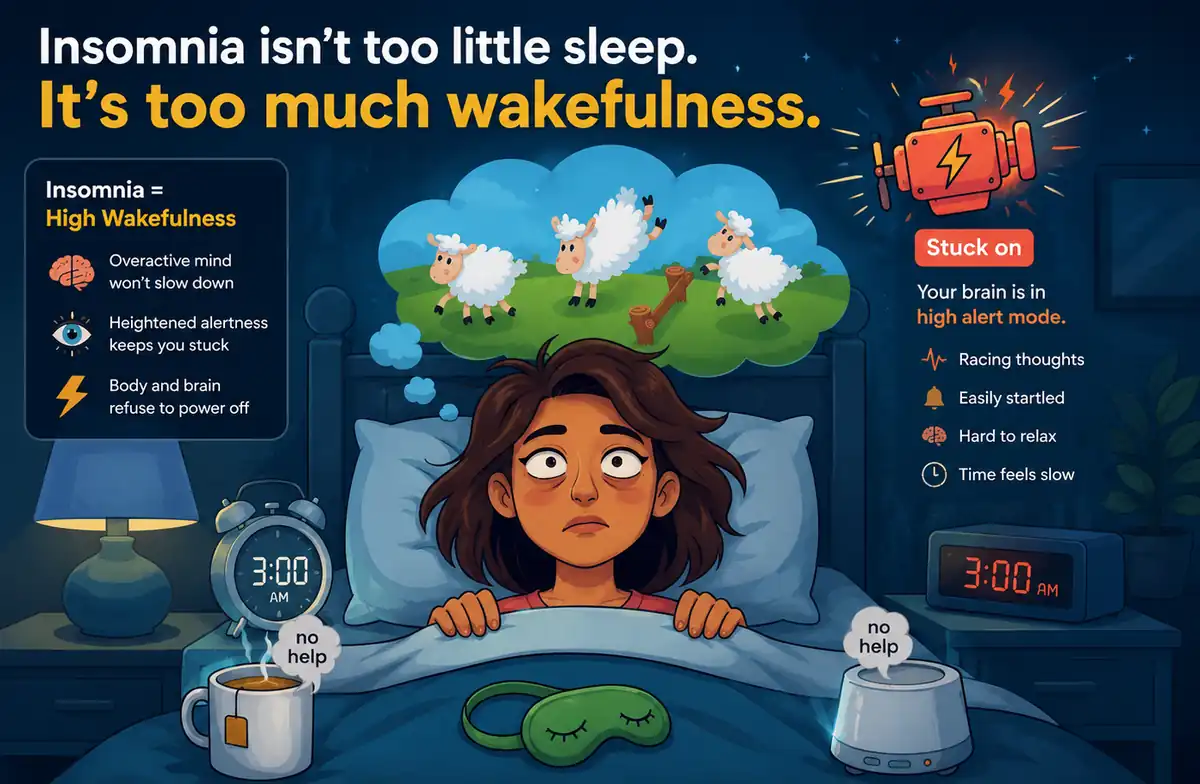


Why Sleep Hygiene Doesn’t Work (And Why Most People Still Wake Up at Night)
📋 Table of Contents
Quick Summary (Key Takeaways)
- Surface vs. System Fixes: Standard sleep hygiene habits (cutting coffee, avoiding blue light, light exercise) prepare the body for rest, but rarely solve chronic middle-of-the-night awakenings.
- Supplement Synergies: Single-ingredient solutions like high-dose melatonin often fail for sleep maintenance. True restorative sleep relies on multi-system harmony (GABA, Magnesium, L-Theanine, Lemon Balm).
- The Orchestra of Sleep: Resetting early-morning awakenings requires addressing nervous system arousal, muscle tension, and cortisol surges simultaneously rather than flipping a single biological switch.
The Cycle of Middle-of-the-Night Waking
The most comforting discovery I made while deep-diving into sleep research was simple: I wasn’t the only one stuck in this exhausting cycle.
What surprised me even more was how predictable the process is. Almost everyone dealing with stubborn sleep issues follows the exact same trial-and-error path. It’s like there’s an unwritten script. I followed it too.
Stage 1: The “Just Fix Your Sleep Hygiene” Phase
The second you mention sleep problems to anyone—friend, doctor, or stranger on the internet—the first response is almost always:
“Have you tried better sleep hygiene?”
It feels basic, sometimes even a little dismissive. But because functional medicine doctors kept calling it the essential foundation, I treated it seriously and cleaned up my habits one by one.
If you’ve ever wondered why sleep hygiene doesn’t work as a complete cure for persistent 3 a.m. awakenings, taking a closer look at these standard recommendations explains why they often fall short on their own:
Cutting Coffee After Noon
I genuinely love coffee. One cup in the morning, another after lunch, and usually a third around 3 p.m. when energy dips. Then I looked at the data on caffeine’s half-life—typically 5 to 6 hours, and longer for some people. After that, nothing after 12 p.m.
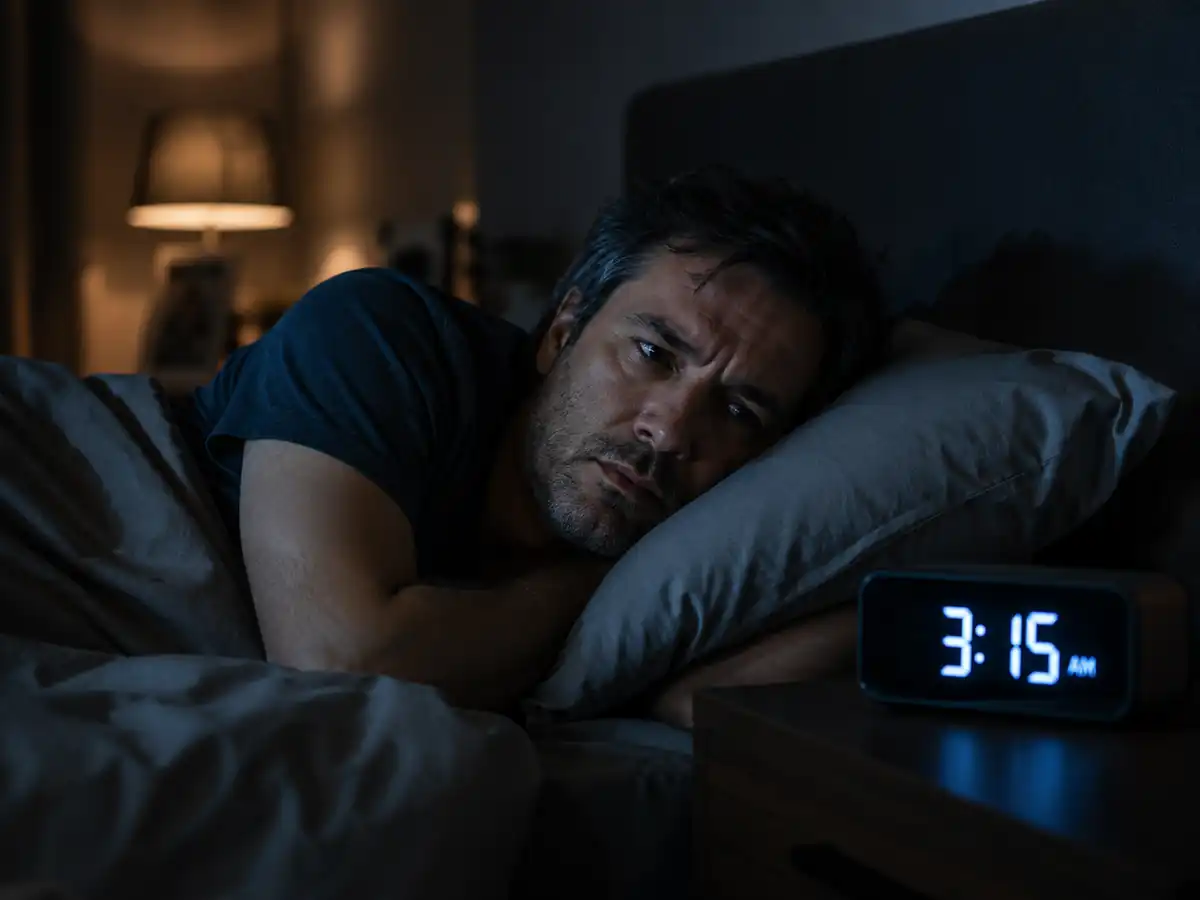
Evenings felt slightly calmer. The 3:15 a.m. wake-up? Still happened like clockwork.
Putting the Phone Away Before Bed
My old habit was scrolling news and work emails until the moment I turned off the lights. Research shows the issue isn’t only blue light. Continuously feeding your brain new information keeps the arousal systems (especially the prefrontal cortex and amygdala) activated.
So I started leaving my phone across the room 45 minutes before bed. Falling asleep got a little easier. Staying asleep past 3 a.m. did not.
Adding Consistent Evening Exercise
Exercise is well known for increasing slow-wave sleep. I began mixing light runs with strength training. My body felt better and daytime energy improved. My internal 3 a.m. alarm, however, stayed perfectly on schedule.
Why Sleep Hygiene Doesn’t Work on Its Own
That’s when the first major realization landed: Solid sleep hygiene is necessary, but for chronic middle-of-the-night waking, it is rarely sufficient on its own. Understanding why sleep hygiene doesn’t work in isolation helps reframe how we approach persistent sleep maintenance issues.
You’re fixing the surface conditions. The deeper system problem remains untouched.
Many individuals struggling with middle-of-the-night awakenings realize that while behavioral habits create a solid foundation, they do not resolve the underlying chemical or neurological imbalances driving nighttime arousal.
When clean habits fail to keep you asleep through the morning, it becomes clear why sleep hygiene doesn’t work for deeper physiological sleep disruptions.
Stage 2: Getting Lost in the Supplement Aisle
When better habits didn’t solve it, I did what most people do next—I turned to sleep supplements.
Search for recommendations and you’ll be overwhelmed with options. After comparing dozens of labels, the same core ingredients kept appearing:
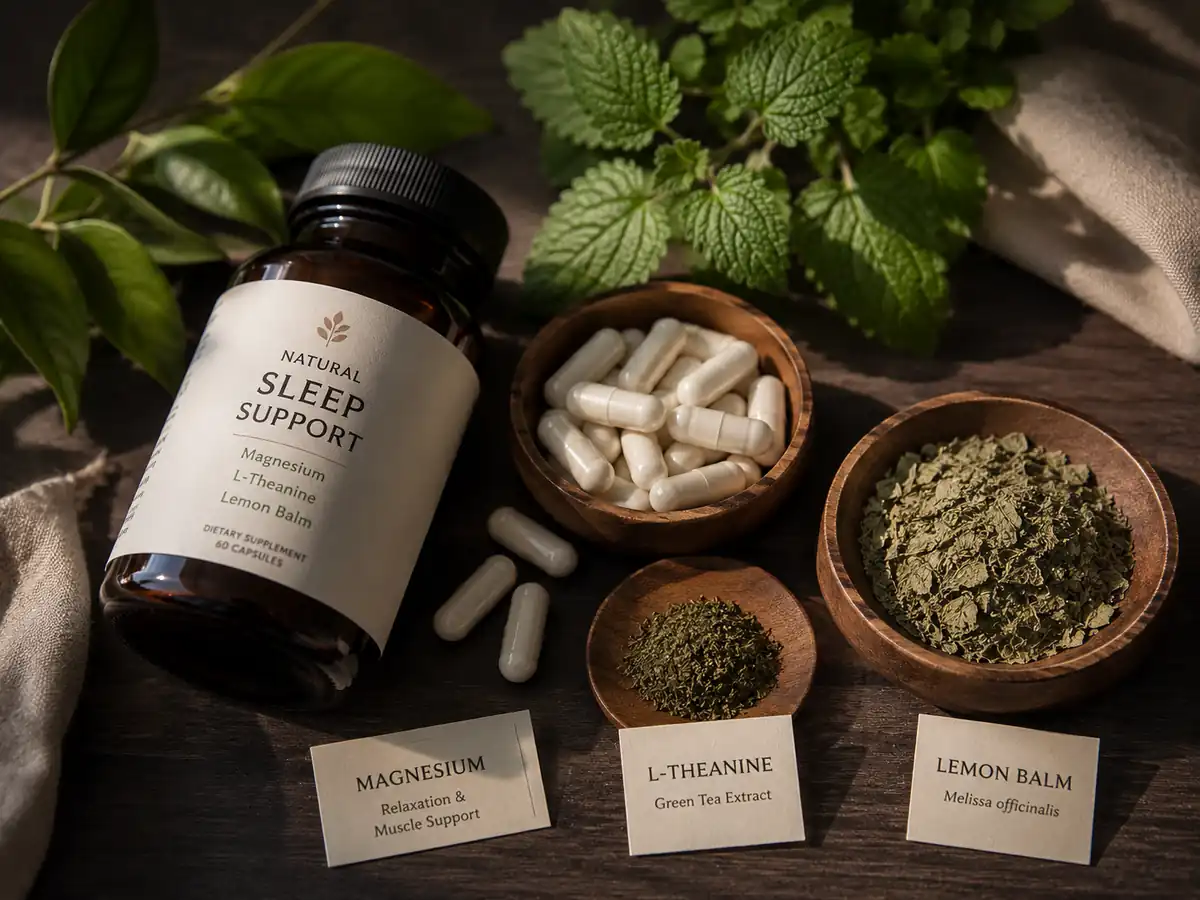
- Melatonin – The most famous one. It signals the brain that night has arrived. Sleep specialists caution, however, that high-dose synthetic melatonin (5–10 mg or more) is not a universal solution—particularly if your problem is staying asleep rather than falling asleep. It can even overstimulate receptors over time.
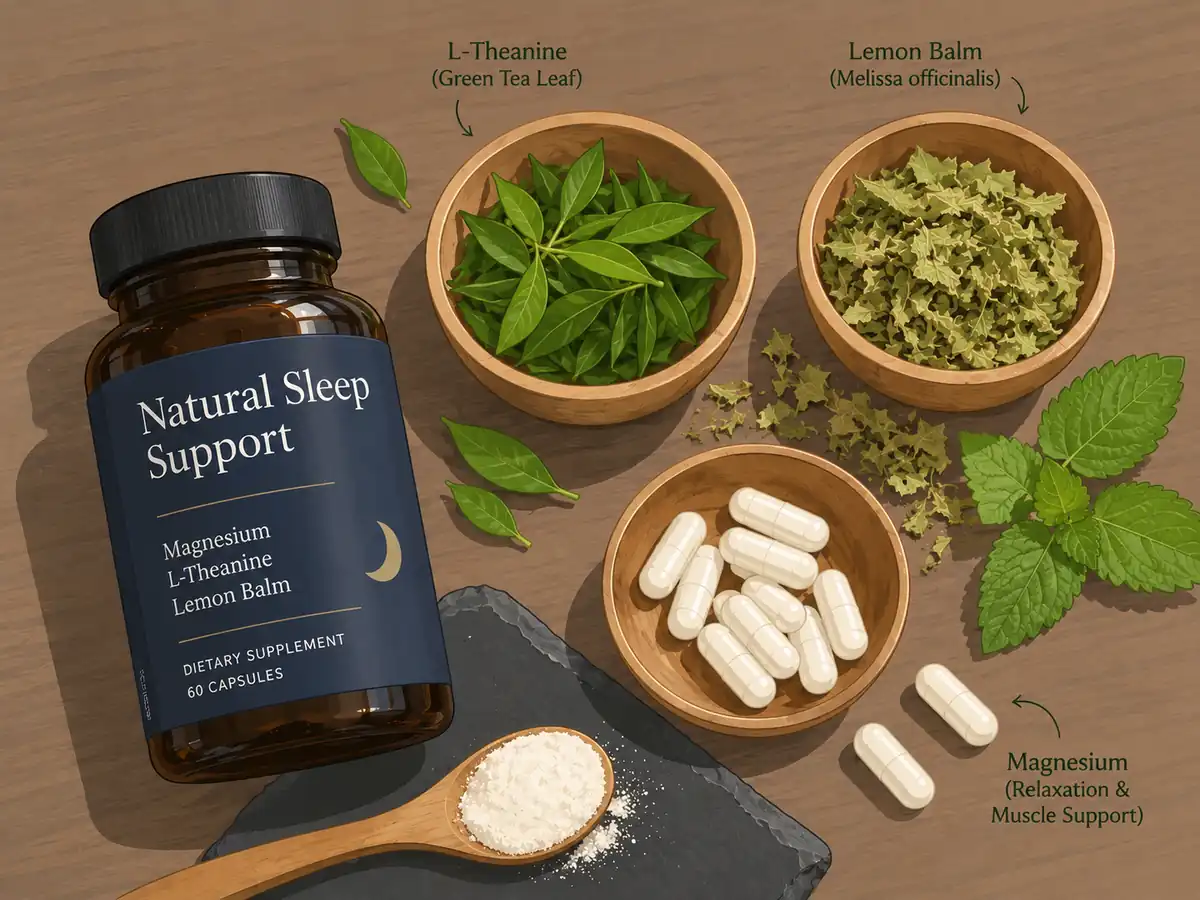
- Magnesium glycinate – Highly absorbable and gentle on the stomach. It supports muscle relaxation and helps calm the nervous system. Many people are deficient without knowing it.
- GABA – The brain’s primary inhibitory neurotransmitter. It acts like a brake on mental overactivity. On its own, though, its ability to cross the blood-brain barrier is limited.
- L-Theanine – An amino acid from green tea that promotes alpha brain waves (the calm-but-focused state) without daytime drowsiness. Especially useful for quieting racing thoughts.
- Lemon balm extract – A traditional European herb that helps lower nighttime cortisol and ease nervous tension.
One night, with ingredient panels spread across my desk, a single question hit hard:
Why do higher-quality sleep formulas never just load up on high-dose melatonin? Why do they combine a small amount of melatonin with magnesium, theanine, GABA, and herbal extracts?
The Biological Synergy of Sleep Architecture
At first I assumed it was marketing. Then I started reading the research on biological synergy—and everything clicked. Analyzing these interconnected biological systems further clarifies why sleep hygiene doesn’t work as a standalone fix for night waking.
Sleep does not operate like a single on/off switch. It functions more like an orchestra.
- Melatonin announces that night has arrived.
- L-Theanine and GABA quiet the racing thoughts.
- Magnesium releases physical tension.
- Lemon balm helps keep the early-morning cortisol surge in check.
Address only one part of the system and leave the rest alone, and middle-of-the-night waking usually continues. This biological complexity is precisely why sleep hygiene doesn’t work when underlying nervous system or cortisol surges remain unaddressed.
Real, consistent sleep typically requires resetting the entire system—not just flipping one switch.
Most people fail for the same reason I did early on: we keep optimizing individual pieces instead of treating sleep as the complex, interconnected process it actually is. Recognizing why sleep hygiene doesn’t work on its own is often the vital first step toward restoring real, whole-night sleep.
🌐 Reference Sites & Medical Authorities: