


How to choose the right thing for a good night’s sleep
📋 Table of Contents
Quick Summary (Key Takeaways)
- Biochemical vs. Structural: Nighttime awakenings are generally caused by either chemical imbalances (stress, cortisol spikes) or structural/airway collapse (weakened tongue muscles).
- Beyond High-Dose Melatonin: Taking massive melatonin doses often overstimulates brain receptors. Low-dose synergistic blends or physical airway training offer far more effective long-term results.
- Targeted Reset: Learning how to stop waking up at night depends on identifying whether your main issue is an overactive nervous system or an airway restriction.
Once you dig deeper into the sleep market, you start to notice something important: the solutions fall into two very different schools of thought.
One is the chemical and nutritional approach.
The other is the neuromuscular and structural approach.
If you’re still trying to solve your sleep problems with a single high-dose melatonin pill, you’re only looking at about 10% of the full picture. If you want to figure out how to stop waking up at night, you need to address the true root cause of your nighttime awakenings.
To give you the most objective and honest comparison possible, I analyzed two of the most frequently discussed non-prescription solutions on the market right now: Yu Sleep and Sleep Revive.
Two School of Thoughts on Nighttime Awakenings
As we covered earlier, many sleep problems stem from a failure to properly build sleep pressure and from nervous system imbalance. However, others stem directly from biological or mechanical interruptions during sleep.
Understanding these distinct pathways is the most critical step if you want to know how to stop waking up at night permanently without relying on heavy sedatives.

Approach A: The Multi-Nutrient System (Example: Yu Sleep)
Yu Sleep is a clear example of the multi-nutrient approach. Research associated with MIT has shown that high doses of synthetic melatonin (5–10 mg) can overstimulate brain receptors and potentially worsen sleep over time. This formula deliberately uses a low-dose synergistic blend instead:
- A small amount of melatonin: Gently signals the brain that night has arrived — without receptor overload
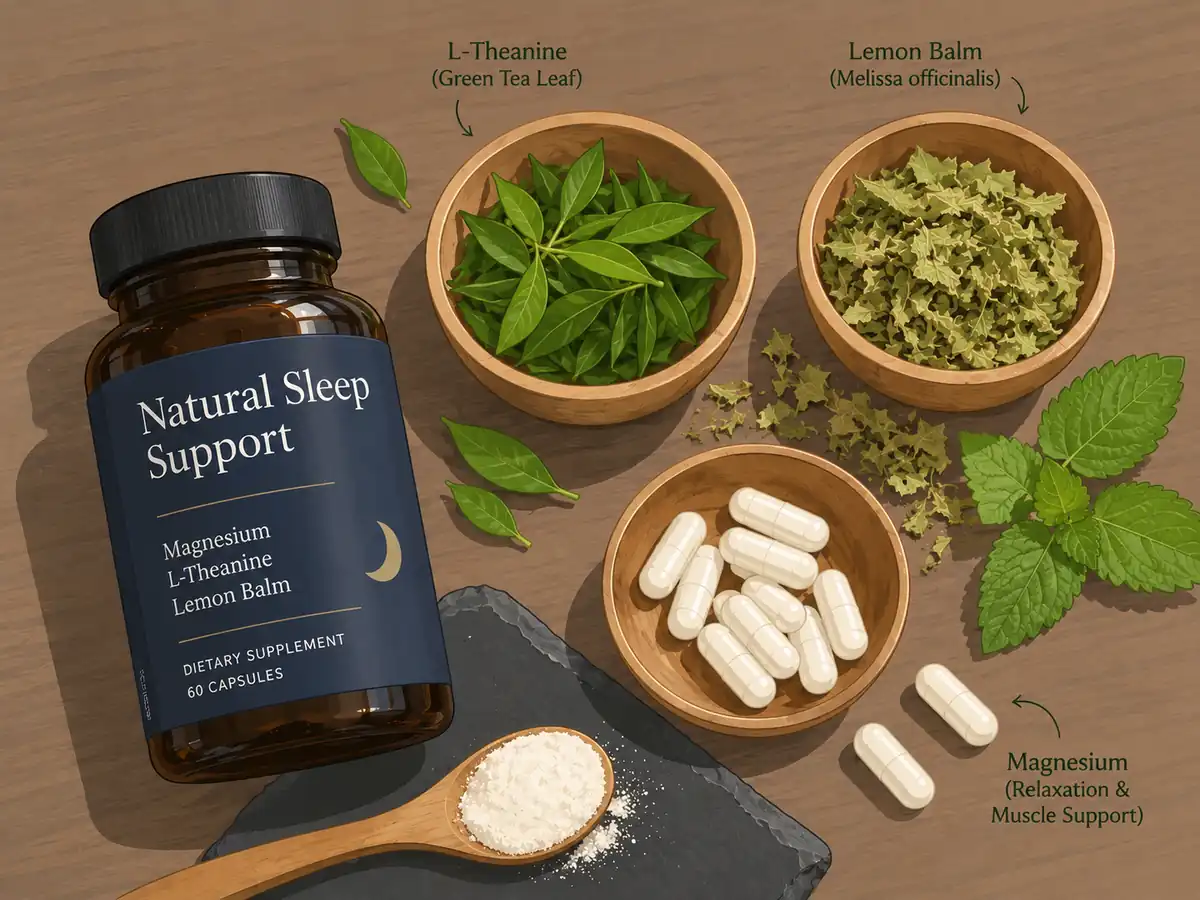
- Magnesium glycinate: For high absorption, muscle relaxation, and nervous system support
- L-Theanine + GABA: Helps quiet the racing, looping thoughts
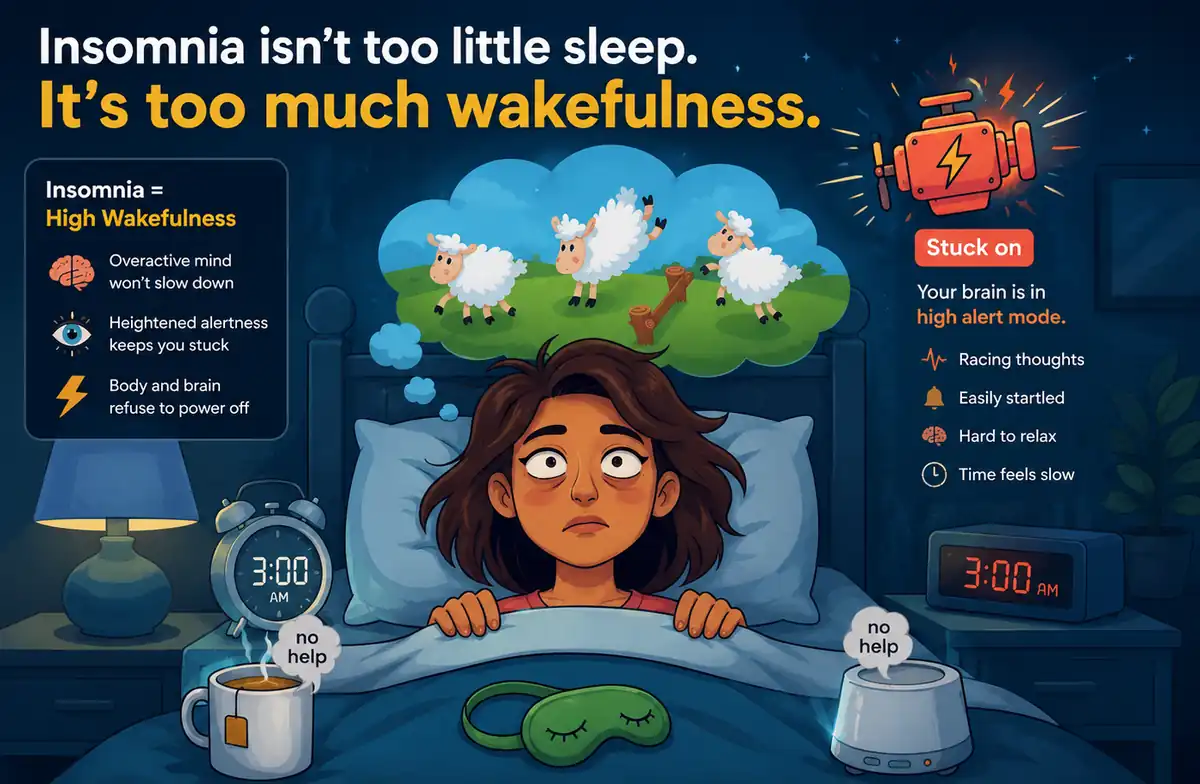
- Plant extracts (lemon balm and tart cherry): Helps keep nighttime cortisol in check and reduces that 3 a.m. biological alarm
The core strategy here is treating sleep like a biochemical orchestra. If your main issues are stress, anxiety, hormonal imbalance, or an overactive mind that won’t shut off, a multi-ingredient liquid formula like this is designed to help reset the internal chemical environment and teach you how to stop waking up at night.
Approach B: The Neuromuscular & Airway Approach (Example: Sleep Revive)
While researching, I also discovered that for some people the root cause isn’t chemical at all — it’s structural.
This is where a completely different method comes in. Sleep Revive (sometimes called Breathing for Sleep) is promoted by neurosomatic specialists and former U.S. military experts.
Clinical research linked to institutions connected with Johns Hopkins and Harvard points to a common hidden factor behind middle-of-the-night waking, snoring, and light sleep: weakened tongue muscles.
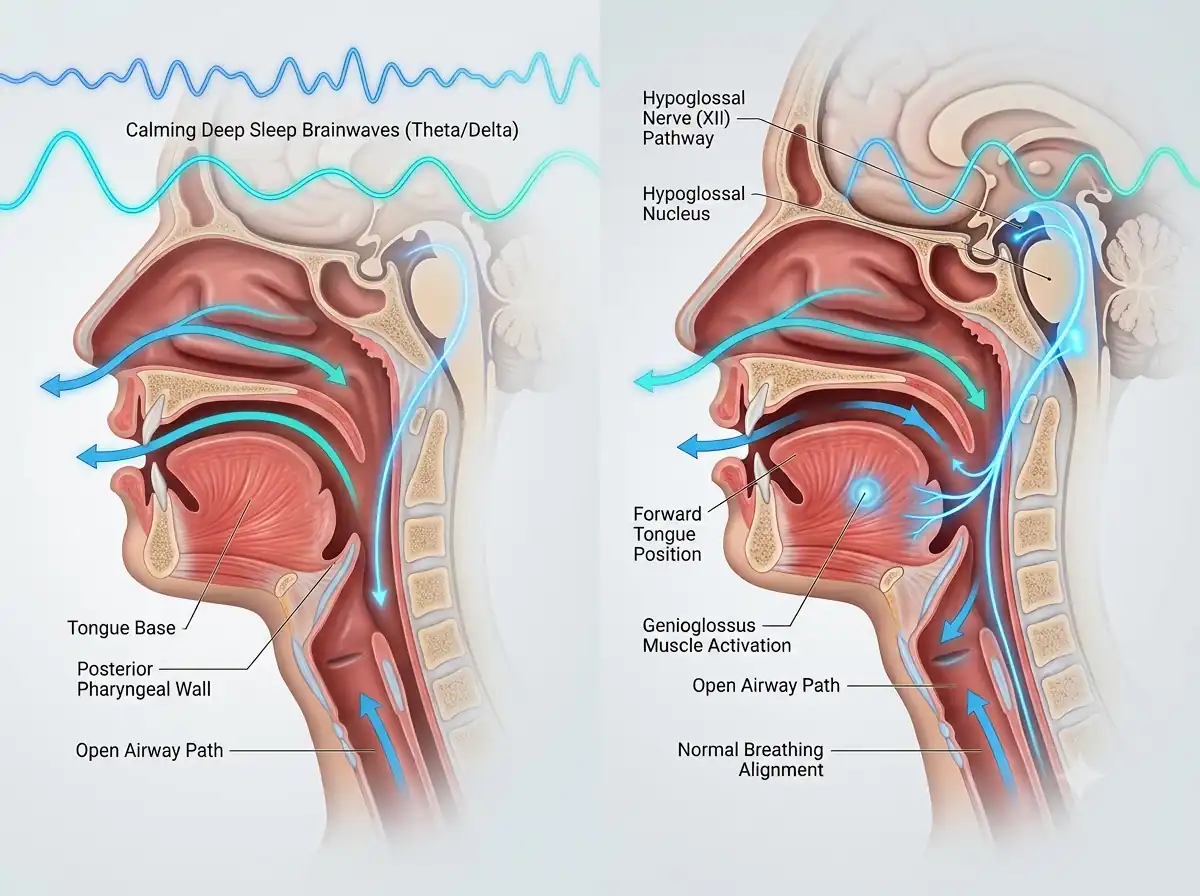
Here is the mechanism they describe:
- Tongue collapse: With age or poor posture, the tongue loses tone during sleep and falls backward toward the throat.
- Oxygen restriction: The airway narrows and oxygen levels drop.
- Survival mode activation: The brain interprets the drop in oxygen as an emergency and floods the system with adrenaline.
The result feels like someone just injected five shots of espresso into your veins at 3 a.m. — heart racing, eyes wide open.
Instead of taking supplements, Sleep Revive focuses on 10 minutes a day of specific breathing techniques and tongue posture training to stimulate the hypoglossal nerve (sometimes called the “sleep nerve”). The goal is to keep the airway open so the adrenaline surge never gets triggered in the first place.
The Key Insight: What’s Actually Causing Your Sleep Problem?
Comparing these two approaches made something very clear:
- Yu Sleep works on the internal biochemical side: Best suited for people dealing with high stress, racing thoughts, or disrupted circadian rhythm who are struggling with how to stop waking up at night due to anxiety.
- Sleep Revive works on the structural and biomechanical side: Best suited for people who mouth-breathe, snore, or wake up gasping because the airway is collapsing.
There is no single miracle solution that works for everyone on the planet. Most people fail because they apply a nutritional fix to a structural problem — or a structural fix to a biochemical one.
How to Choose the Right Reset Strategy to Stop Waking Up at Night
After reading dozens of papers, speaking with sleep specialists, and comparing ingredient labels line by line, my entire view of sleep changed.
I used to think of sleep as a simple event: get tired → fall asleep → or take a pill if you can’t. Now I understand it as a precise biological orchestra made up of fatigue signals, stress levels, light exposure, caffeine metabolism, and how well the autonomic nervous system can downshift.
Step 1: Fix the basics you can control
No supplement or breathing program will fully rescue you if your foundational sleep hygiene is broken. Before spending money on anything, lock these in:
- Cut all caffeine at least 6–8 hours before bed
- Put the phone away 30–45 minutes before sleep to reduce mental arousal
- Keep a consistent bedtime and wake time — including weekends
If you’re already doing all of that and still trying to figure out how to stop waking up at night wide-eyed at 3:15 a.m. every night, then a more targeted solution becomes necessary.
Step 2: Match the solution to your root cause
Option A: Sleep Revive (Structural / Breathing Approach)
Choose this if your main issues are snoring, mouth breathing, or waking up gasping because the airway is restricted. It’s a non-drug method that uses 10 minutes of daily breathing and tongue posture work to strengthen the hypoglossal nerve and keep the airway open.
Option B: Yu Sleep (Biochemical System Reset) — My Personal Choice
Choose this if, like me, your biggest problems are chronic stress, racing thoughts that won’t turn off, an overactivated nervous system, and that stubborn 3 a.m. wake-up. Simply changing your breathing may not be enough to fully quiet elevated stress hormones.
This is why I ultimately chose Yu Sleep for my own sleep reset. Instead of forcing the brain with high-dose synthetic melatonin, it uses a carefully balanced low-dose combination of melatonin, magnesium glycinate, L-theanine, GABA, lemon balm, and tart cherry — delivered in liquid form for faster absorption.

The synergy is the point:
- L-theanine and GABA: Calm mental arousal
- Magnesium: Relaxes the body
- Lemon balm: Helps blunt the cortisol spike
- Low-dose melatonin: Signals the circadian clock
For someone whose system was stuck in high-stress mode, discovering how to stop waking up at night by addressing the entire sleep-pressure system at once was the most accurate solution. It finally gave me back solid 8-hour nights.
Final Thoughts
I didn’t write this to sell products. I know too well what it feels like to lose your energy and clarity to chronic sleep debt. I shared what I learned because I wish someone had laid it out this clearly for me years ago.
Don’t get hypnotized by flashy marketing claims. Look at the ingredient list, understand why each one is there, and listen to what your own body is telling you.
Deep, restorative sleep isn’t a luxury. It’s one of the most basic investments you can make in your health and next-day energy.
I hope my research and trial-and-error process helps you understand how to stop waking up at night once and for all.
Wishing you a deep, peaceful night’s sleep.
— Mark Thompson