









How to Stop Bleeding Gums Naturally: Two Science-Backed Paths
📋 Table of Contents
- Two Schools of Thought on Recurring Oral Issues
- Approach A: The Live Probiotic Colonization System (ProDentim)
- Approach B: The Postbiotic & Biofilm Breakout Approach (DentaBiome)
- The Key Insight: What’s Actually Causing Your Oral Health Problem?
- How to Choose the Right Reset Strategy to Stop Bleeding Gums
Quick Summary (Key Takeaways)
- Biochemical vs. Structural-Microbial: Recurring bleeding gums, sensitivity, and decay are usually driven either by depleted beneficial bacteria or by stubborn acid-lock biofilms that conventional products cannot fully dismantle.
- Beyond Harsh Rinses: High-alcohol mouthwashes and aggressive toothpastes often wipe out protective flora along with harmful species, leaving the mouth more vulnerable. Targeted live probiotics or stable postbiotics offer more precise support.
- Matched Strategy: Learning how to stop bleeding gums depends on identifying whether your primary issue is missing protective strains or an entrenched FabM acid-lock that needs rapid disruption.
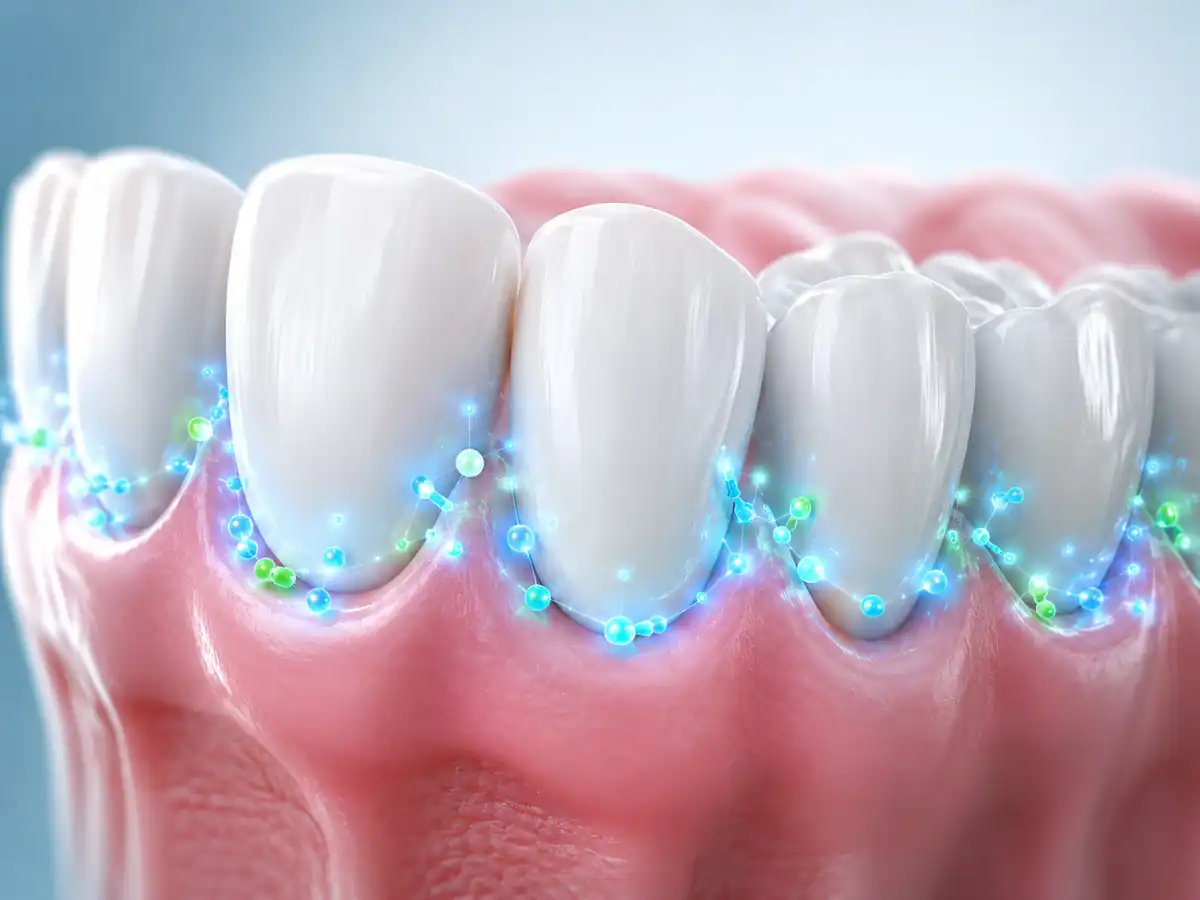
How to choose the right path for lasting gum and tooth recovery.
Once you dig deeper into the oral-health research and the solutions people are actually using, a clear pattern emerges. The options fall into two very different schools of thought.
One is the live-probiotic colonization approach.
The other is the postbiotic biofilm-breakout approach.
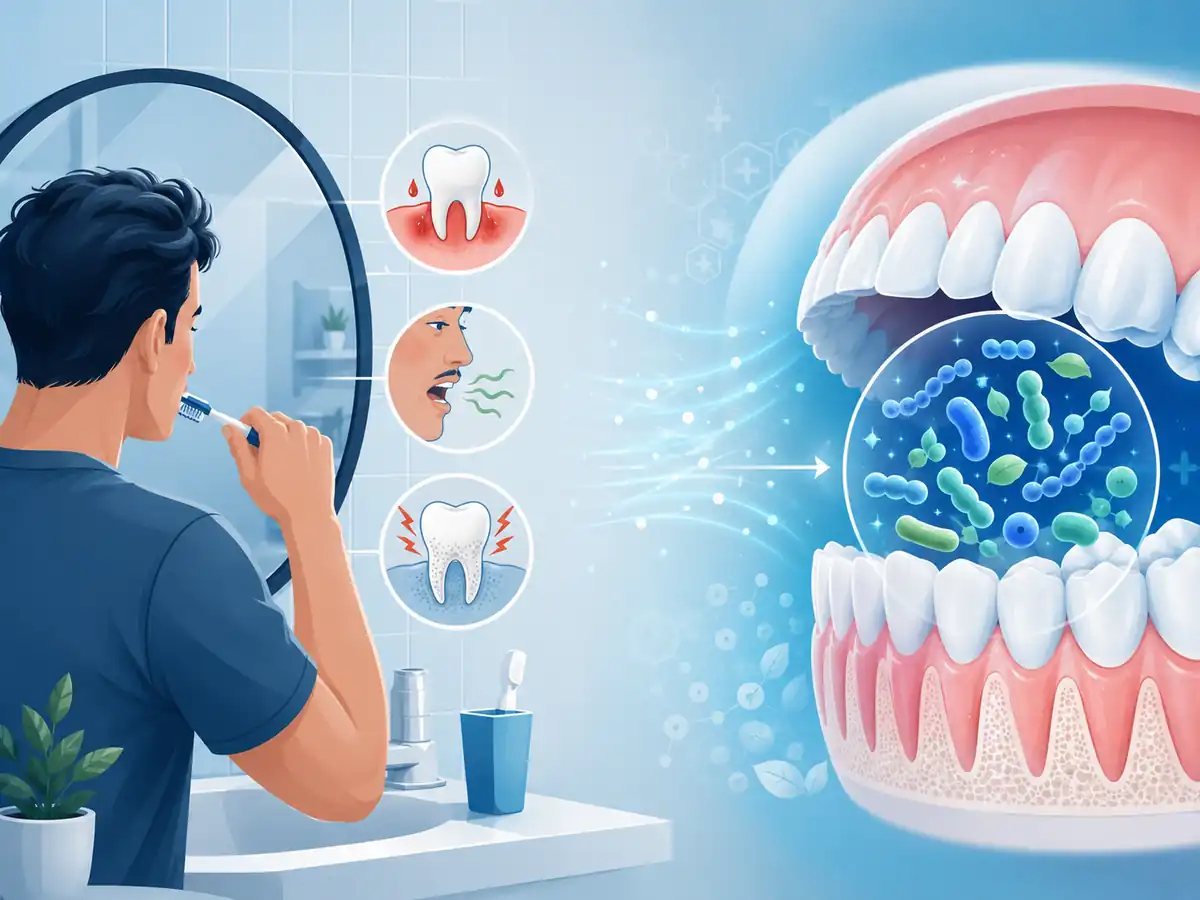
If you are still trying to solve bleeding gums and recurring cavities with stronger toothpaste or another round of antimicrobial rinse, you are only addressing the surface. If you want to understand how to stop bleeding gums for good, you need to match the solution to the real driver of the problem.
To give the most objective comparison possible, I examined two of the most discussed non-prescription options currently available: ProDentim and DentaBiome.
Two Schools of Thought on Recurring Oral Issues
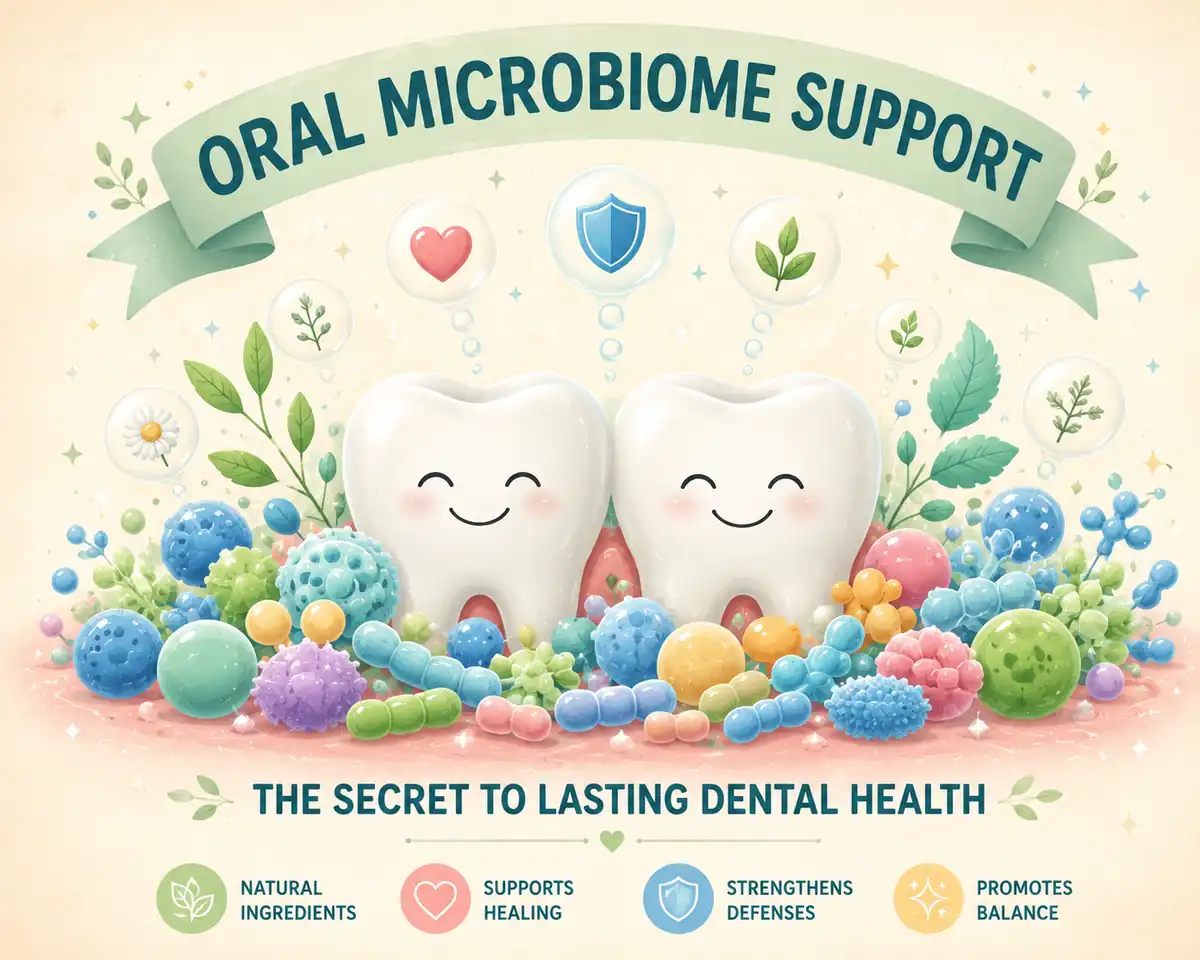
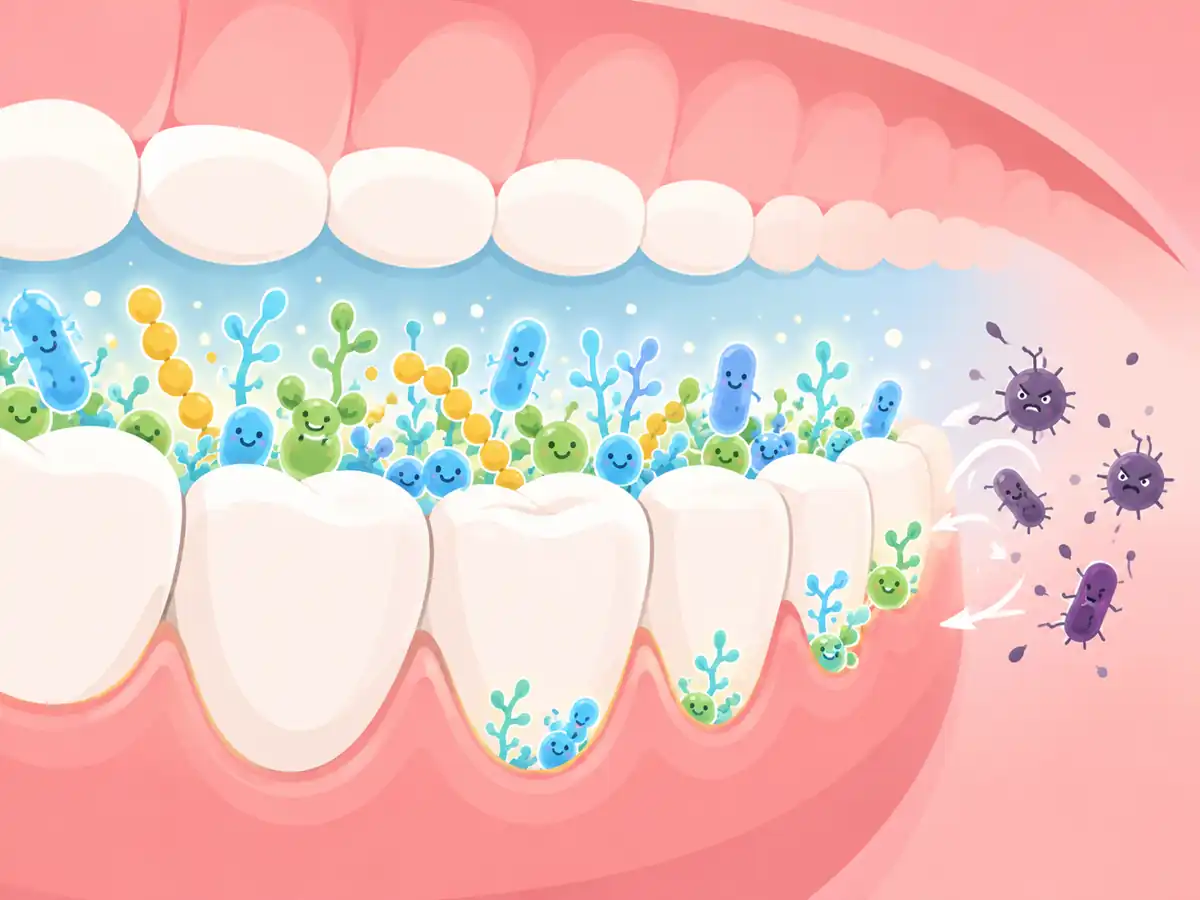
As earlier parts of this series explained, many persistent oral problems begin with a disrupted oral microbiome. In some people the protective bacterial populations have simply declined. In others a resilient acid-producing biofilm (often called the FabM acid-lock) has formed and continues to shield harmful species.
Understanding these distinct pathways is the most important step if you want to know how to stop bleeding gums without relying on ever-harsher chemicals.
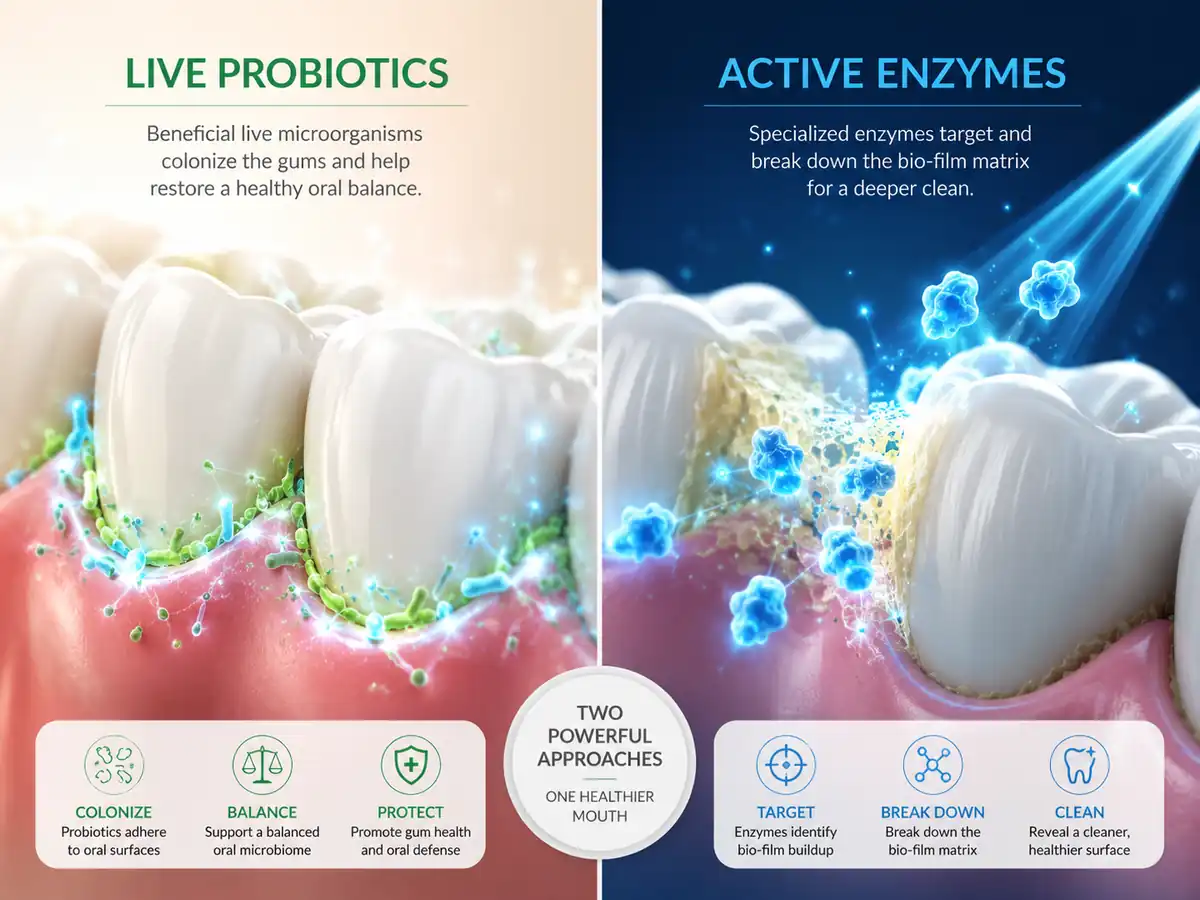
Approach A: The Live Probiotic Colonization System (Example: ProDentim)
ProDentim represents the multi-strain live-probiotic strategy. It delivers 3.5 billion CFU of carefully selected strains—Lactobacillus paracasei, Bifidobacterium lactis BL-04, and Lactobacillus reuteri—together with supporting nutrients such as inulin, malic acid, tricalcium phosphate, and peppermint.
The core idea is straightforward: reintroduce beneficial bacteria that help maintain gum integrity, crowd out less desirable species, support a calmer inflammatory response, and create a more favorable environment for natural saliva and mineral balance. Because the formula is designed as a chewable tablet, the strains make direct contact with the oral surfaces rather than being swallowed immediately.
This approach treats the mouth as an ecosystem that can be gently rebalanced over time. If your main issues are chronic low-grade inflammation, recurring sensitivity, or a sense that “I brush carefully yet nothing improves,” a live multi-strain probiotic like this is intended to rebuild the protective community that conventional products often strip away.
If the live-colonization route feels like the better match for your situation, you can examine the full ProDentim formula and current details here:
Approach B: The Postbiotic & Biofilm Breakout Approach (Example: DentaBiome)
While researching I also found that for many people the obstacle is not simply missing good bacteria—it is a protective acid-lock biofilm that allows harmful species such as Streptococcus mutans to persist.
This is where a different method enters. DentaBiome uses stable postbiotic compounds derived from dual-strain Lactobacillus plantarum complex, Lactobacillus salivarius, and Lactobacillus rhamnosus, combined with xylitol, cranberry extract, purple carrot powder, and a delivery matrix designed for rapid contact.
The mechanism described by its developers is that postbiotics and supporting enzymes can dismantle the FabM acid-lock at the molecular level, reduce harmful bacterial load substantially, neutralize odor-causing compounds, and encourage conditions for enamel support—without relying on live organisms that saliva can quickly diminish. The chewable Berry Frost tablet is meant to coat tooth surfaces and gum lines in roughly thirty seconds.
If you suspect an entrenched biofilm and rapid surface disruption matter more than gradual recolonization, this postbiotic route may be worth closer investigation:
The Key Insight: What’s Actually Causing Your Oral Health Problem?
Comparing the two approaches made one point unmistakable.
- ProDentim works on the colonization and long-term balance side: best suited for people whose protective flora has been depleted by diet, dry mouth, medications, or repeated antimicrobial exposure and who are looking for how to stop bleeding gums by restoring microbial diversity.
- DentaBiome works on the immediate biofilm and acid-lock side: best suited for people dealing with stubborn plaque, persistent bad breath, or rapid recurrence of sensitivity because a protective bacterial barrier remains intact.
There is no universal miracle product. Most people stay frustrated because they apply a live-probiotic solution to a dominant biofilm problem—or a rapid postbiotic solution when the deeper issue is simply missing beneficial strains.
How to Choose the Right Reset Strategy to Stop Bleeding Gums
After reading the clinical literature, comparing ingredient lists, and reviewing the practical experiences people share, my view of daily oral care shifted.
I used to treat oral health as a simple mechanical task: brush harder, floss more, rinse stronger. Now I see it as a biological system that needs both surface cleaning and targeted microbial support.
Step 1: Lock in the fundamentals you control
No specialized formula will fully compensate for constant sugar exposure, chronic dry mouth, or inconsistent hygiene. Before investing in anything else:
- Brush twice daily with a non-harsh paste and floss once a day
- Reduce frequent snacking on fermentable carbohydrates
- Stay hydrated and address any medication-related dry mouth with your clinician if needed
- Consider a gentler rinse that does not aggressively strip the entire microbiome
If you are already doing these basics and still trying to figure out how to stop bleeding gums that return every few weeks, a more targeted approach becomes useful.
Step 2: Match the solution to the dominant pattern you observe
Option A: ProDentim (Live Probiotic Colonization)
Choose this if your history points to depleted beneficial bacteria—gums that bleed despite careful cleaning, recurring mild inflammation, or a sense that the mouth never quite feels balanced. Daily chewing of the multi-strain probiotic tablet is designed to help re-establish protective populations over weeks.
Option B: DentaBiome (Postbiotic Biofilm Support) — one practical path many with stubborn surface issues explore
Choose this if the dominant complaint is rapid return of plaque, persistent sulfur-type breath, or an acid-lock feeling that ordinary products never seem to break. The postbiotic chewable aims for faster disruption of the protective biofilm while remaining gentle on remaining tissue.
For someone whose problems felt driven by both low protective flora and recurring surface irritation, understanding how to stop bleeding gums by addressing the microbial environment rather than simply intensifying chemical attack was the clearer path.

Final Thoughts
I did not write this series to push any single product. I know how discouraging it feels to do everything “right” and still see the same bleeding, sensitivity, or breath issues return. I shared the research path because I wish someone had laid out the two distinct biological strategies this clearly years earlier.
Do not be swayed only by marketing language. Look at the ingredient logic, notice whether your pattern looks more like missing protective strains or an entrenched acid-lock, and pay attention to how your own mouth responds.
Deep, stable oral health is not a luxury. It is one of the most practical daily investments you can make in comfort, confidence, and long-term dental costs.
I hope the research and comparison help you decide how to stop bleeding gums in a way that actually matches the underlying biology rather than fighting the same surface battle every night.
Wishing you calm gums and an easy smile.
🌐 Reference Sites & Medical Authorities:
- Rezaie E, Bayani M, Arjomandzadegan M. The inhibitory and antibacterial effects of peppermint essential oil on periodontal photogenes. Journal of Arak University of Medical Sciences. 2020:172-183
- Scepano T. How probiotics prevent tooth decay: The case of lactobacillus paracasei. Medium. 2020, September 30
- Campbell K. Oral microbiome findings challenge dentistry dogma. Nature. 2021.