








Understanding Recurring Oral Health Problems
📋 Table of Contents
Quick Summary (Key Takeaways)
- Beyond Brushing: Daily brushing and flossing are essential, but chronic oral issues are often driven by biological and environmental factors.
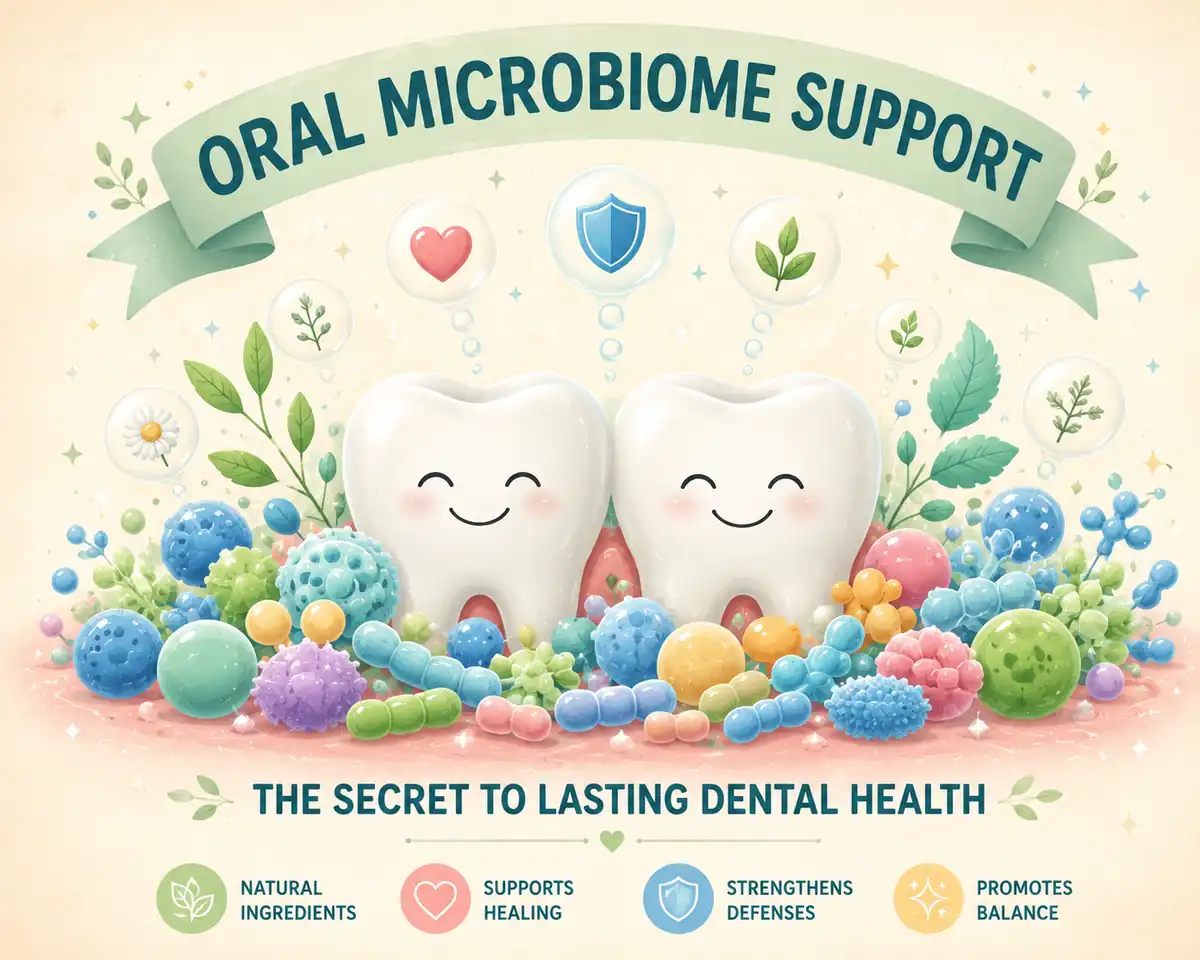
- The Oral Microbiome: The mouth is a complex ecosystem where maintaining a healthy microbial balance is key to long-term care.
- Holistic Care: Saliva production, diet, hydration, and mineral balance work together to influence enamel strength and gum health.
The Frustration of Recurring Oral Health Problems
Brushing twice a day should be enough… right?
For years, I assumed that good oral care was simple. Brush your teeth. Floss once a day. Visit the dentist every six months. That seemed like the complete formula.
Yet I kept hearing the same story from friends, family members, and countless people online.
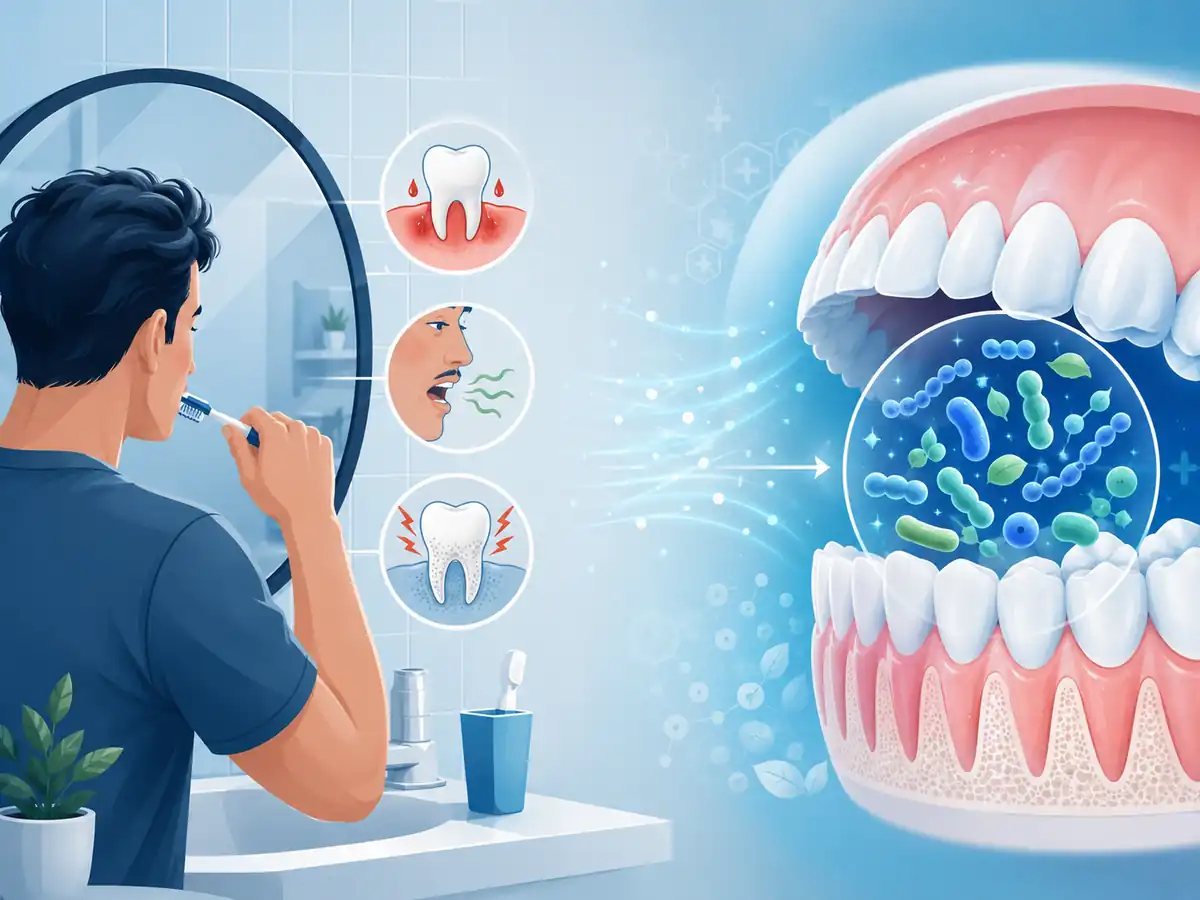
- “I brush every day, but my gums still bleed.”
- “I’ve treated cavities before, yet new ones keep appearing.”
- “My dentist says everything looks fine, but I still struggle with bad breath.”
The more I looked into it, the more I realized something interesting: many oral health problems aren’t simply caused by forgetting to brush your teeth.
Instead, persistent dental issues often develop gradually through a combination of biological, lifestyle, and environmental factors.
Oral Health Is More Than Clean Teeth
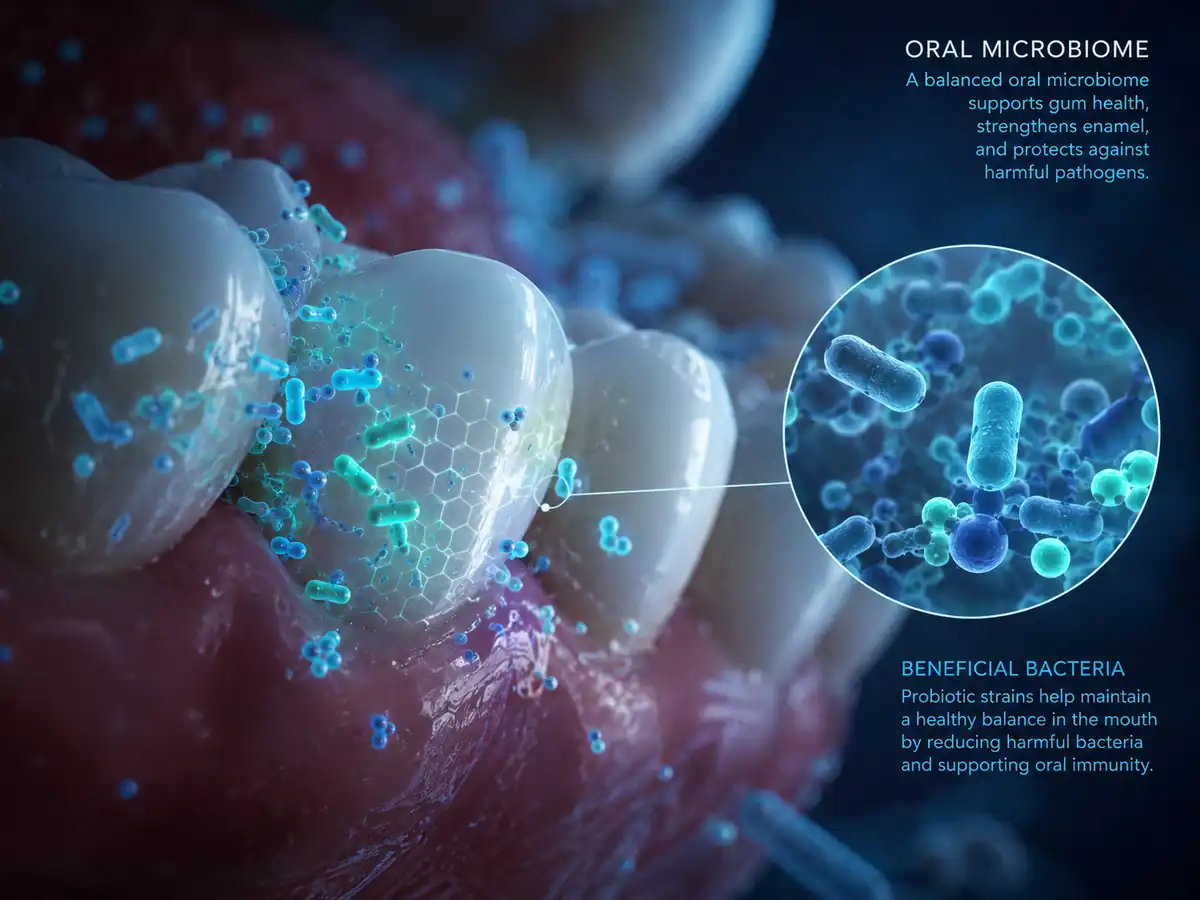
Most of us grow up believing that avoiding common oral health problems is mainly about removing plaque. While brushing and flossing are essential, researchers now know that the mouth is a remarkably complex ecosystem.
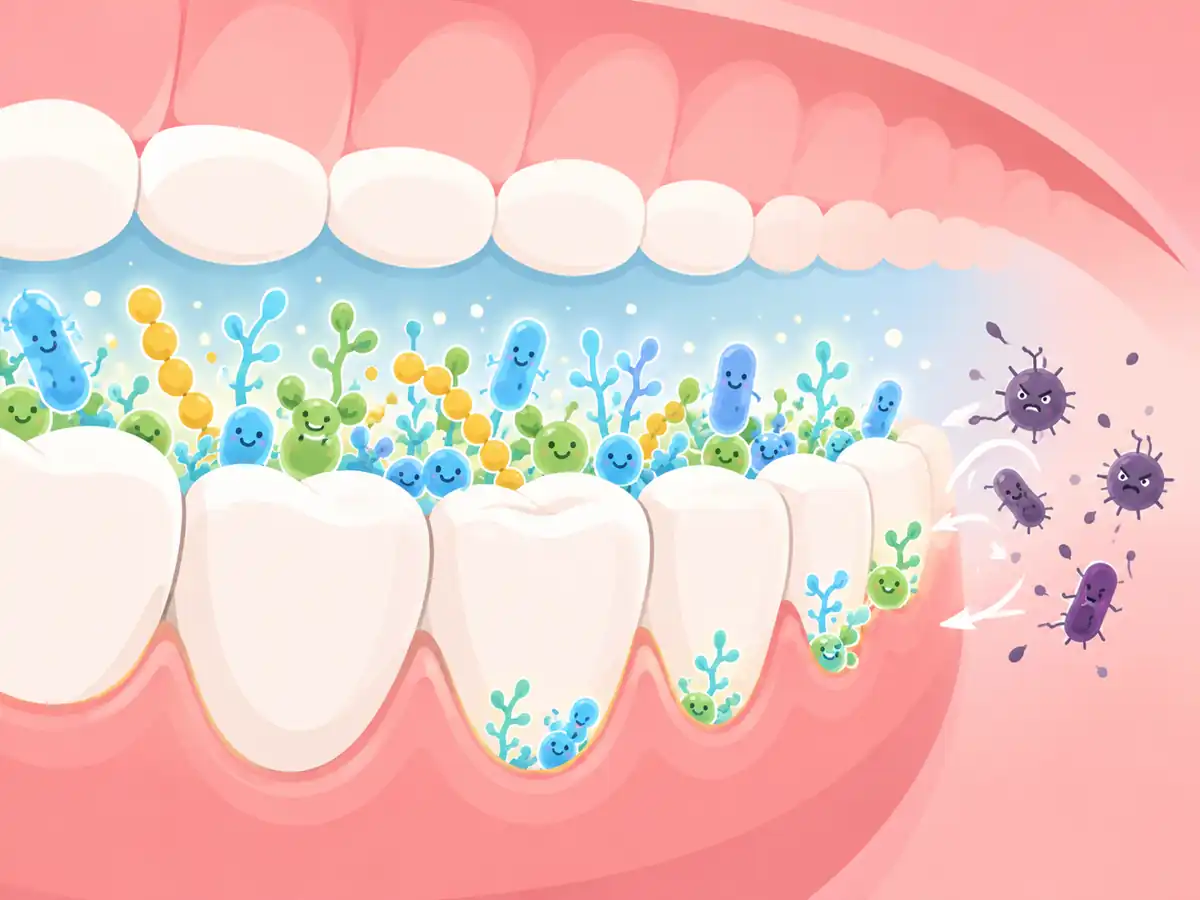
Hundreds of different types of bacteria naturally live inside our mouths. Some help maintain a healthy balance, while others can contribute to tooth decay, gum irritation, and unpleasant breath when conditions change.
At the same time, several biological factors influence how healthy our teeth and gums remain over time:
- Saliva Flow: Helps neutralize acids and wash away food particles.
- Nutrition & Hydration: Provide necessary minerals and keep oral tissues healthy.
- Everyday Habits: Influence the chemical environment inside the mouth.
That means brushing is important—but it isn’t always the whole story when addressing recurring oral health problems.
Why Do Problems Keep Returning?
One question kept coming back during my research: why do some people develop the same dental issues again and again despite taking good care of their teeth?
While every situation is unique, several underlying causes can trigger ongoing oral health problems:
- An imbalance in the oral microbiome
- Daily eating habits and frequent sugar consumption
- Dry mouth caused by stress or medications
- Reduced natural saliva production
- Poor nutrition and lack of essential minerals
- Smoking or vaping
- Inconsistent oral hygiene routines
For many people, these factors interact with each other instead of acting alone, making long-term oral health problems difficult to resolve with surface-level cleaning alone.
Looking Beyond the Toothbrush
One thing that surprised me most was how much recent research focuses on the oral microbiome—the community of microorganisms that naturally live in the mouth.
Rather than trying to eliminate every single bacterium, scientists are increasingly interested in maintaining a healthier balance to prevent frequent oral health problems.
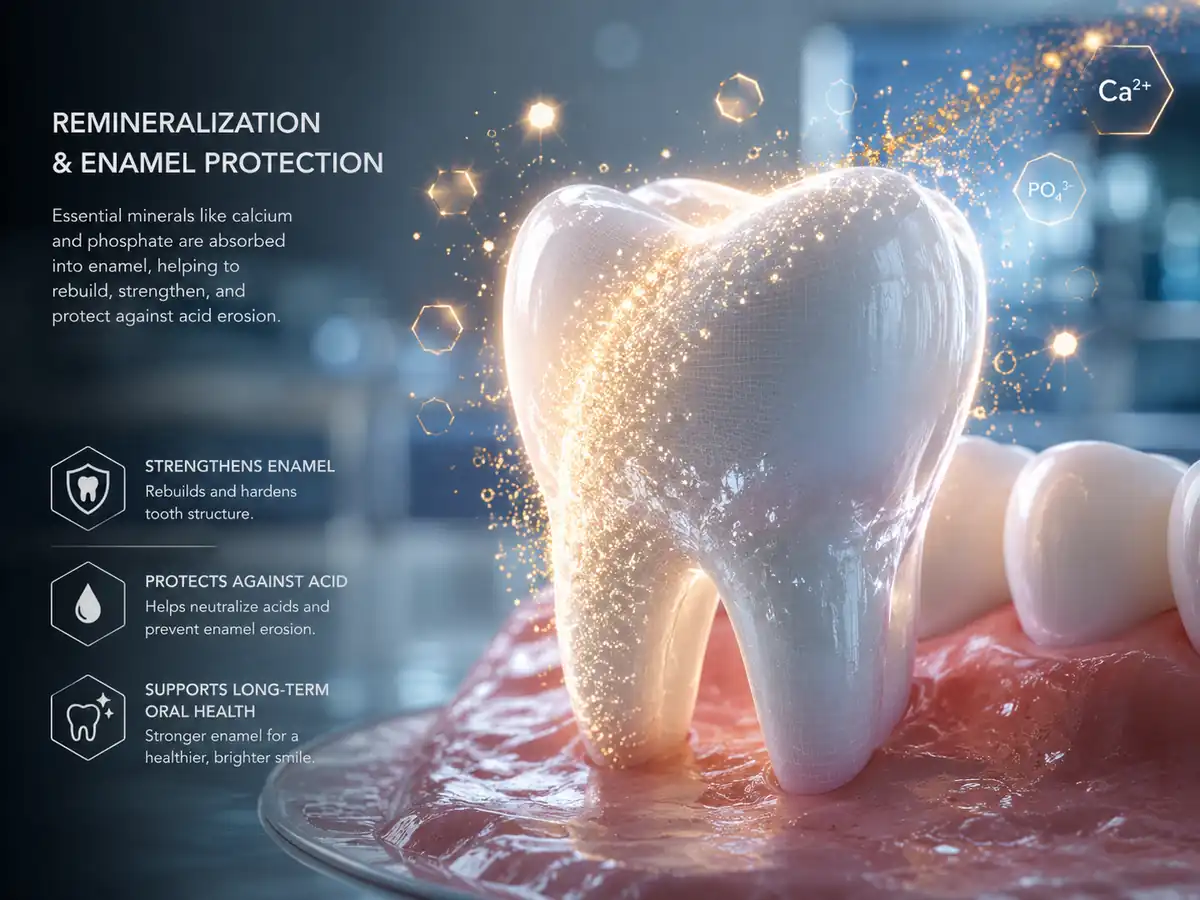
At the same time, other researchers emphasize supporting the natural strength of teeth and protecting enamel through proper nutrition and mineral balance. These are two very different ways of thinking about overall wellness, and both offer valuable insights into preventing chronic oral health problems.
What I’ll Explore Next
As I continued researching, I found that many modern solutions designed for oral health problems generally fall into two broad approaches:
- Microbiome Support: Supporting a healthier oral environment through beneficial probiotic bacteria.
- Structural & Environment Support: Strengthening the mouth’s natural defenses by supporting teeth and gums through targeted minerals and nutrition.
In the next article, I’ll take a closer look at the first approach, explore how it works, and explain why it has attracted so much attention in recent years. It changed the way I think about dental care—and it might change yours as well.
“Taking care of your teeth isn’t just about scrubbing away bacteria—it’s about building a balanced ecosystem.”
🌐 Reference Sites & Medical Authorities:
- Booth S. Bacteria in your mouth can affect your brain. Healthline. 2019, May 5
- Burhenne M. The oral microbiome & its impact on every other system in the body. Ask the Dentist. 2020, April 9
- Burhenne M. How to avoid toxins in your toothpaste: 12 ingredients to ditch now. Experience Life. 2022, January 14