








The hidden factors that may make losing weight more difficult than you think.
📋 Table of Contents
Quick Summary (Key Takeaways)
- Beyond Calories In vs. Out: Persistent weight loss problems are rarely just about lack of discipline; human biology is far more complex than simple math.
- The Role of Metabolism: Age, sleep quality, stress levels, and gut microbiota play critical roles in how efficiently your body burns energy.
- A Holistic Perspective: Achieving sustainable weight management requires addressing internal factors like metabolic function, hormonal balance, and daily habits rather than relying on willpower alone.
Understanding Common Weight Loss Problems
If losing weight were only about eating less and exercising more, most people would reach their health goals much more easily.
At least, that’s what many of us have been told for years.
- Eat fewer calories.
- Exercise more.
- Stay consistent.
While these habits are undoubtedly important, they don’t always explain why so many individuals struggle with ongoing weight loss problems despite doing everything “right”.
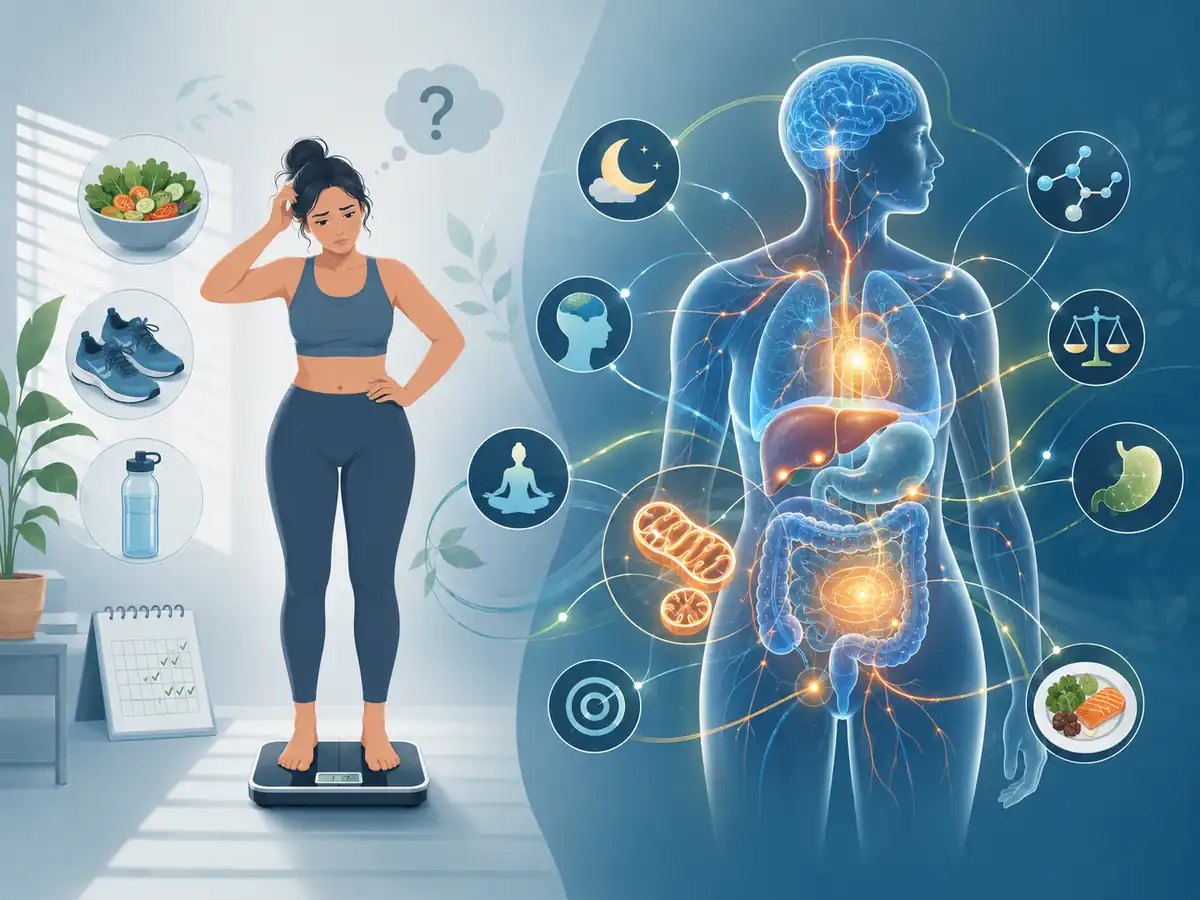
The more I researched these weight loss problems, the more I realized that our bodies are far more complex than a simple calories-in, calories-out equation.
When traditional diet rules fail to yield expected results, the biological systems underneath the surface often hold the answers.

When Your Best Effort Doesn’t Match the Results
Have you ever experienced something like this?
- You cut back on sugary foods, but the scale barely moves.
- You start exercising regularly, yet your weight stays the same.
- You lose a few pounds, only to gain them back weeks later.
- You feel tired, hungry, and frustrated even though you’re trying your best.
These frustrating weight loss problems are surprisingly common.
Many people eventually blame themselves, assuming they simply lack discipline or motivation. But in many cases, there may be more happening beneath the surface.
Your Metabolism Is Part of the Story
One topic that appeared again and again during my research into persistent weight loss problems was metabolism.
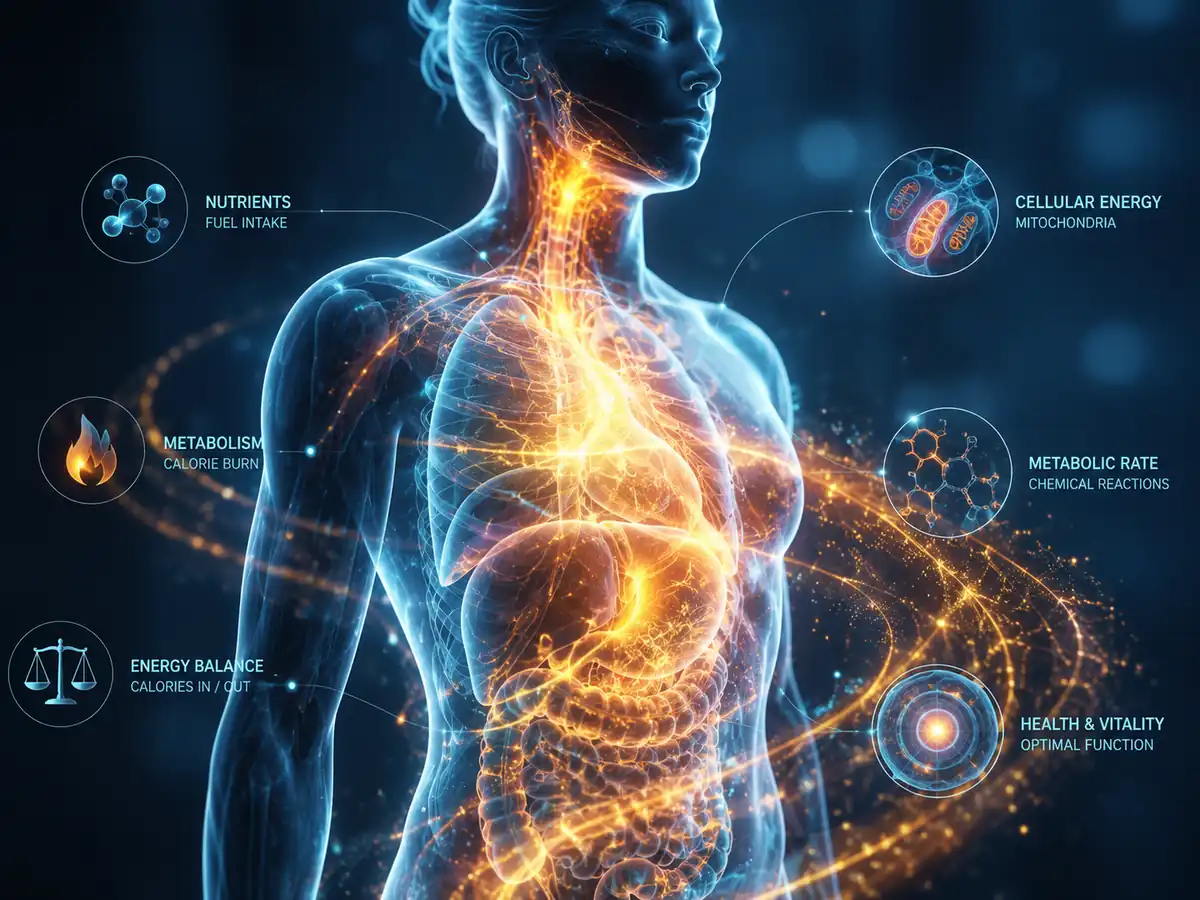
Metabolism is the collection of processes your body uses to convert food into energy. It influences how efficiently you burn calories, regulate energy, and respond to changes in diet and physical activity.
A number of key biological factors can affect metabolic health:
- Age & Hormone Balances: Natural changes over time affect how energy is stored.
- Sleep Quality & Stress: Elevated stress hormones like cortisol can trigger fat retention.
- Muscle Mass & Activity: Higher lean muscle mass supports a faster resting metabolic rate.
- Gut Microbiota & Nutrition: Intestinal flora significantly influences metabolic regulation.
When several of these factors are working against you, managing recurring weight loss problems can become much more challenging.
Weight Loss Is About More Than Willpower
One thing that surprised me was how many health experts now emphasize that addressing weight loss problems isn’t based on willpower alone.
Healthy lifestyle habits still matter, but they’re only part of the complete picture. Sleep, stress, hydration, nutrition, and overall metabolic health all interact with one another. Ignoring one of these key areas may make overcoming weight loss problems feel much harder than it needs to be.
That doesn’t mean there is a magic quick fix. It simply means the human body deserves a broader, more balanced approach.
Different Problems Require Different Solutions
As I continued researching, I noticed that modern strategies designed for complex weight loss problems generally follow different philosophies.
- Metabolic Support: Focusing on boosting daily energy expenditure and helping the body work more efficiently throughout the day.
- Nutritional & Targeted Support: Emphasizing targeted nutrients, herbs, or gut support that influence fat metabolism and metabolic function.
Neither approach replaces a balanced diet or regular exercise. However, understanding the reasoning behind each one may help you find a tailored strategy to navigate your unique weight loss problems.
What I’ll Explore Next
In the next article, I’ll take a closer look at one of the most talked-about metabolism-focused approaches and examine why it has attracted so much attention in recent wellness discussions.
Rather than promising unrealistic overnight results, I’ll focus on what it claims to do, how it works, and who it may be best suited for. Understanding the true science behind these methods is often far more valuable than simply chasing the latest fad.
“Sustainable weight management isn’t about fighting your body—it’s about understanding its underlying biology.”
🌐 Reference Sites & Medical Authorities:
- Protective effect of Ginkgo biloba L. leaf extract against glyphosate toxicity. Kültiğin Cavuşoğlu 1 , Kürşad Yapar, Ertan Oruç, Emine Yalçın – J Med Food
- Effects of Ginkgo biloba on cerebral blood flow assessed by quantitative MR perfusion imaging: a pilot study. Ameneh Mashayekh, Dzung L. Pham, David M. Yousem, Mercedes Dizon – Neuroradiology
- Ginkgo biloba extract EGb 761 in dementia. S Kanowski 1 , R Hoerr – Pharmacopsychiatry